Board stalls are a feature of the format, which means you'll often need some sort of board-breaker to push through
Till the soil, spare no soul
Allies Hada Freeblade and Kazandu Blademaster are the reasons to play an Ally deck in Modern
There are only 250 serialized versions of each guild-leader, which come stamped with a number

This works because: It drives engagement , buyers are more likely to bid when the starting price feels like a deal It creates competition , multiple $1 bids escalate quickly to market value (and sometimes beyond) It fills the room , low starting bids attract more viewers who might stay for other items It builds trust , buyers see youre confident enough in your inventory to let the market decide When the $1 start works best: You have 50+ concurrent viewers The card has broad appeal (popular Pokmon, high-grade, etc.) Your audience trusts your authenticity and grading When to use higher starting bids: You have fewer than 20 viewers (the math doesnt work with a small room) The card is niche (only a few collectors want it) The cards minimum acceptable price is $20+ and you cant afford to let it go for $5 Market Research Before Going Live Tools for pricing Pokmon cards: Pre-show pricing workflow: Pull your show inventory Check TCGPlayer market price for each card Cross-reference with eBay sold listings (last 30 days) Note the lowest price youd accept for each card Set starting bids accordingly (usually 10-30% of market for auctions) BIN (Buy It Now) Strategy BIN listings work well for: Graded cards where the price is well-established (PSA 10 Charizard = specific price) Sealed product at known market rates Commodity cards that always sell at a predictable price Price BIN items at 5-10% below TCGPlayer/eBay market , Whatnot buyers expect a slight discount for the platform
When it comes to Magic finance, being able to articulate the answer to this question should bring our discussion full circle

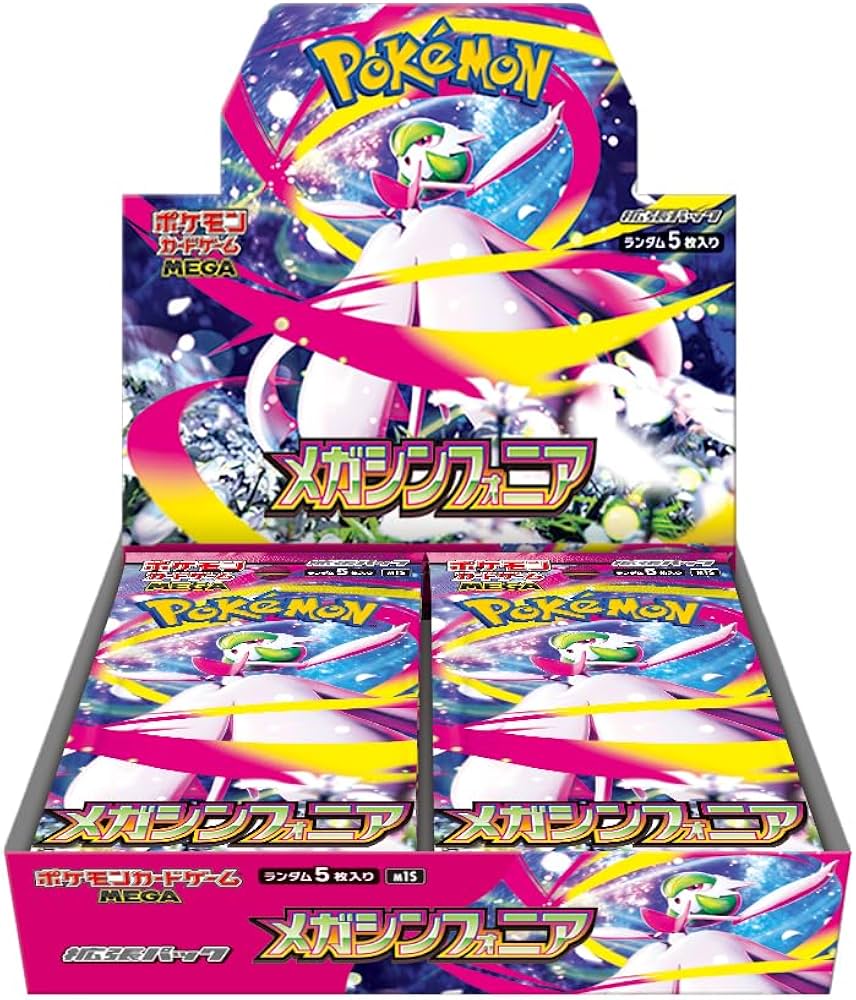
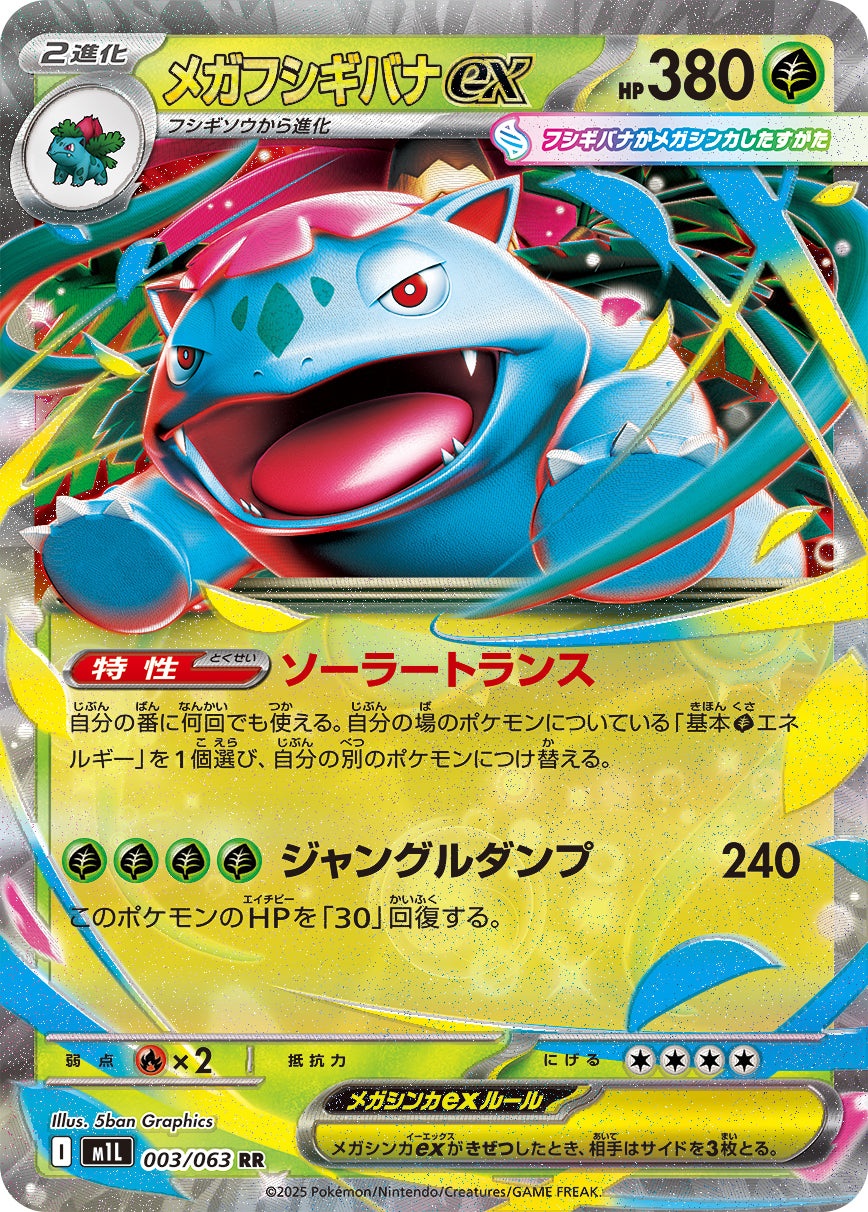
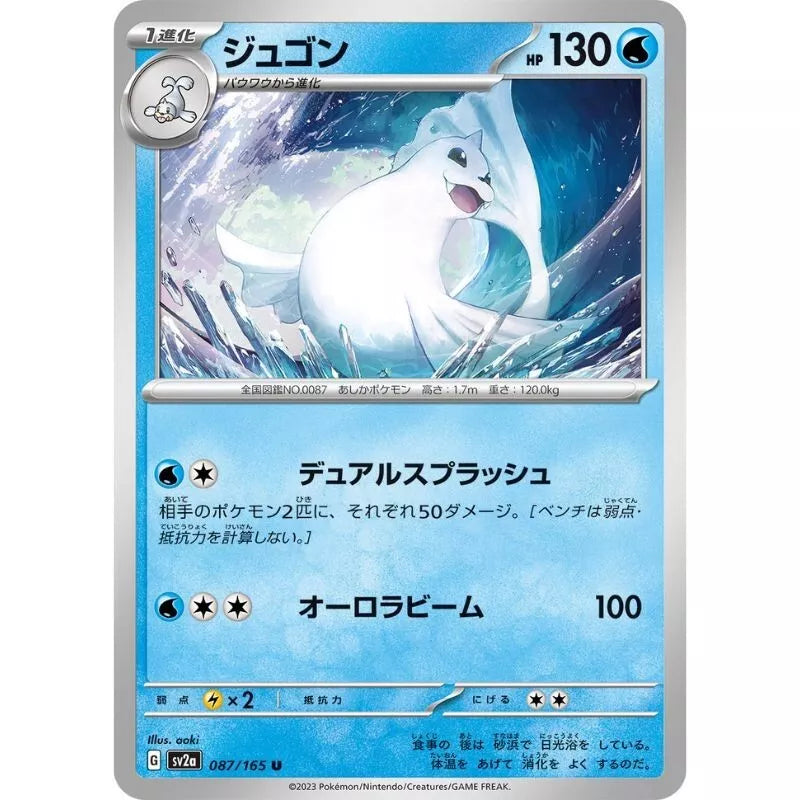

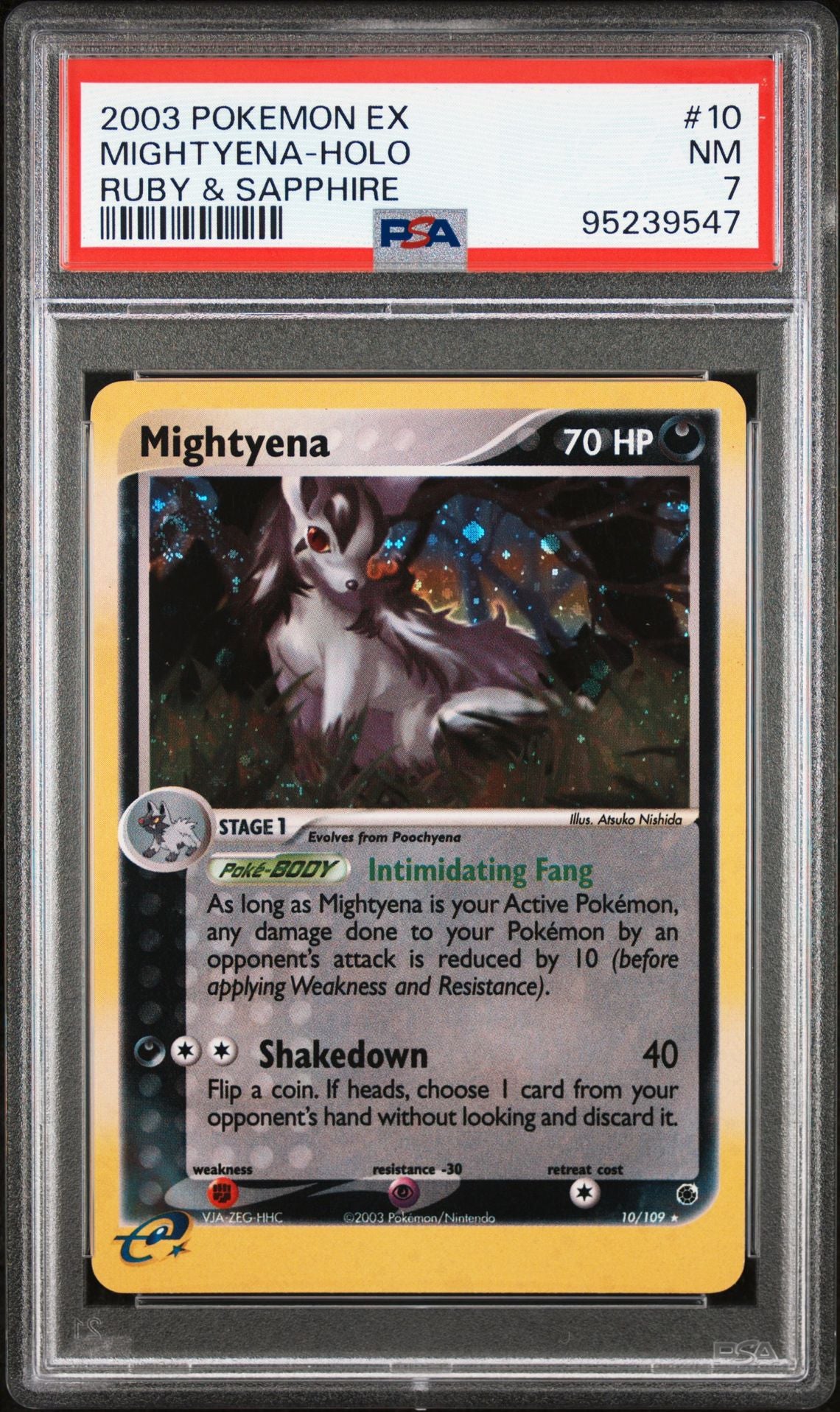
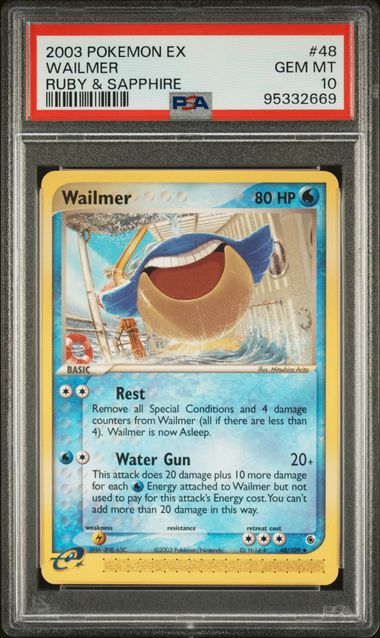
![SOLD] Pokemon TCG Graded Card: 2003 Golem English #005 TAG[X] 6 – Vancity CJ Trading Cards](https://vancitycj.com/cdn/shop/files/J1749889_Slabbed_FRONT.jpg?v=1736902078&width=1744)








![Konami YuGiOh Star Pack VRAINS Booster Box [50 Packs] [Sealed] : Toys & Games](https://m.media-amazon.com/images/I/81HQD0Hw3tL._AC_UF894,1000_QL80_.jpg)